


It wasn’t a single catastrophic event that pushed us to the edge; it was the slow, steady drip of small purchases that was bleeding us dry. My spouse and I looked at our bank statement at the end of the month and realized we had spent nearly $800 on things we couldn’t even remember buying. It was a blur of takeout coffees, random Amazon gadgets, convenience store snacks, and subscription services we barely used. We weren’t broke, but we were definitely broken in our habits. We realized that if we didn’t stop the bleeding, we would never reach our savings goals.
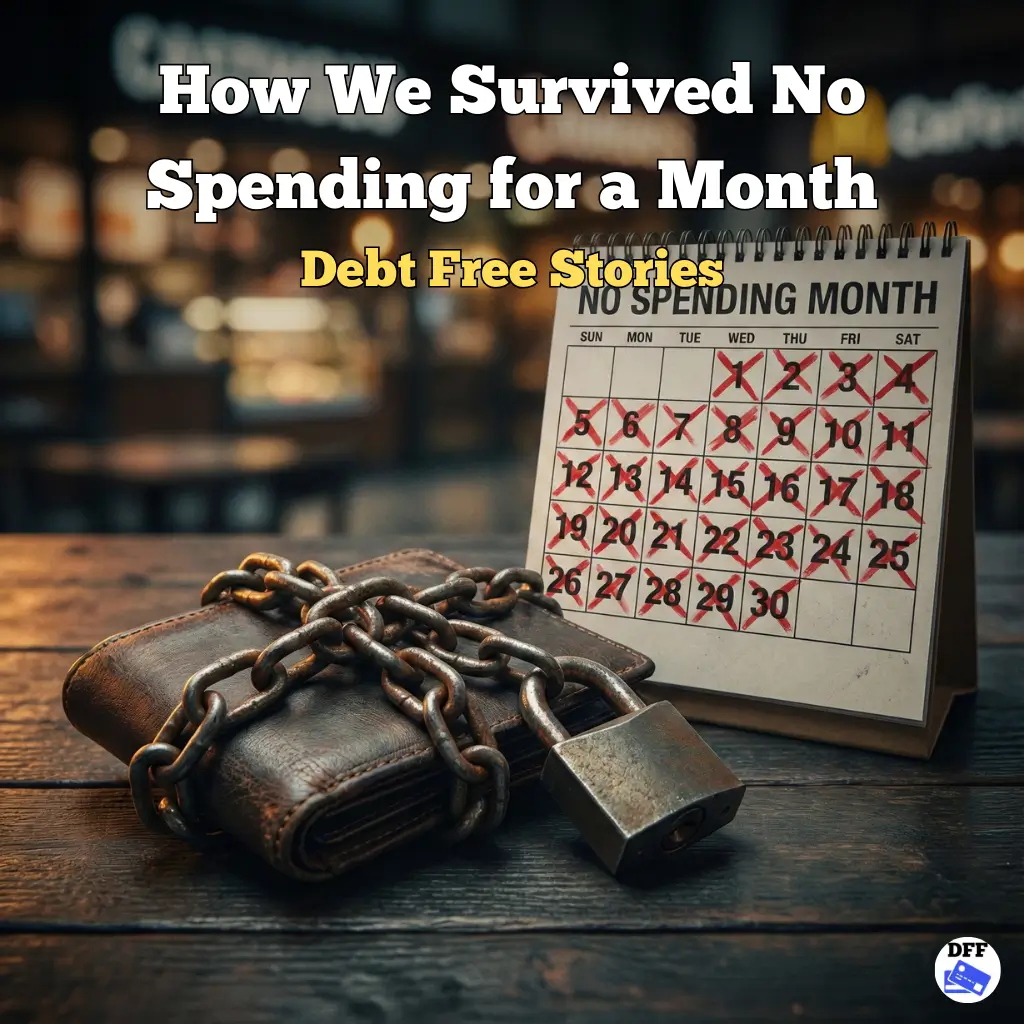
We decided that a simple budget wasn’t enough. We needed a shock to the system, a hard reset to break the dopamine addiction of swiping our cards. That is when we committed to a radical challenge: no spending for a month.
The rules we set for ourselves were terrifyingly simple. For exactly 30 days, we were forbidden from spending a single penny on anything non-essential. We defined “essential” strictly as the Four Walls: rent, utilities, basic groceries for cooking at home, and gas to get to work. Everything else was frozen. No restaurants, no bars, no clothes, no haircuts, and absolutely no online shopping. We deleted the Uber Eats and Amazon apps from our phones to remove the temptation. We started on the first of the month with high energy, treating it like a fun game, completely unaware of how difficult—and how psychologically revealing—the next few weeks would be.
The Withdrawal Symptoms
The first week was surprisingly physical. I hadn’t realized how much of my spending was muscle memory until I tried to stop it. On the third day, I had a stressful meeting at work. My immediate instinct was to walk downstairs to the café and buy a $6 latte to soothe my nerves. I actually stood up and put my coat on before I remembered the rules. Sitting back down at my desk with a cup of lukewarm office water felt like a legitimate deprivation. I felt irritable and restless. It forced me to confront an uncomfortable truth: I wasn’t spending money because I needed things; I was spending money to medicate my emotions and cure my boredom.
But the hardest part wasn’t the lack of caffeine; it was the social friction. We live in a culture that revolves around consumption. On day twelve, our close friends texted us to meet up for drinks and dinner at a new restaurant downtown. In the past, we would have said yes without thinking. Staring at that text message, I felt a wave of embarrassment. How do you tell your friends you are a functioning adult who essentially grounded themselves?
Saying “no” felt incredibly awkward, but we stuck to the plan. instead of going out, we swallowed our pride and invited them over for a game night. We served homemade popcorn and drinks we already had in the cabinet. I was terrified they would think we were cheap or struggling. To our surprise, when we explained we were doing a financial detox, they didn’t judge us. They admitted they were jealous of our discipline because they were also feeling the pinch of inflation. That night, we laughed harder than we had in months, and it cost us absolutely nothing.
The Creative Shift
By week three, something shifted in our brains. The constant impulse to buy started to fade, replaced by a new kind of creativity. Since we couldn’t go to the grocery store for “fun” items, we had to raid our own pantry. It became a nightly episode of “Chopped” in our kitchen. We found a bag of frozen shrimp from three months ago and a box of pasta we had forgotten about, turning them into a gourmet meal. We realized we had been buying new food while perfectly good food was going to waste in the back of our cupboards.
We also rediscovered our city. Without the option of movies or concerts, we went for long walks in parks we had never visited. We went to the public library for the first time in years and realized we could get books and movies for free. The “pain” of restriction turned into a strange sense of freedom. We weren’t constantly looking for the next thing to buy, so we were actually present in the moment. For the first time in our marriage, there were no arguments about money because there was no money leaving the account.
When the 30 days were finally up, we sat down to review the numbers, and the results shocked us. By cutting out all discretionary spending for just one month, we had saved exactly $1,050. That was over a thousand dollars that usually vanished into thin air, now sitting securely in our savings account.
But the money was just a bonus. The real victory was the mindset shift. The challenge broke our addiction to convenience. We proved to ourselves that we could be happy—actually happier—without constantly tapping a card.
We didn’t stay on a strict “no spend” diet forever, but our habits changed permanently. Now, when we do spend money on a dinner out or a new gadget, it feels like a deliberate choice rather than a mindless habit. If you feel like your money is slipping through your fingers, don’t just budget—fast. Try a strict challenge of no spending for a month. It will be uncomfortable, it will be boring at times, and it will force you to face your demons, but it will wake you up to a life where you control your money instead of your money controlling you.
Do you spend money just to keep up appearances? A spending fast is the best way to kill your ego and reset your habits. [Read: How Lifestyle Creep kept us broke] to see why we needed this reset in the first place.


[…] 👉 Lectura recomendada para papás: Descubre cómo una familia real logró cerrar la billetera por 30 días en el artículo: «How We Survived No Spending for a Month» (Cómo sobrevivimos un mes sin gastar). […]