


It is embarrassing to type this out loud.
If I told you I blew $3,000 gambling at a casino in Las Vegas, you would probably understand. It’s tragic, but it happens. But telling you I blew $3,000 on “gems” and “energy packs” for a cartoon game on my phone? That just sounds pathetic.
That is why this is my hardest confession yet.
Nobody plans on spending money on mobile games until they can’t pay rent. It always starts the same way: innocently. I downloaded the game because it was “free to play.” It was fun, colorful, and a great way to kill time during my commute.
The $0.99 Trap
For the first month, I didn’t spend a dime. I wore my “Free to Play” status like a badge of honor.
But you have to understand the type of games I was obsessed with. I wasn’t just matching candy. I was deep into those immersive Gacha RPGs and kingdom builders—think Genshin Impact, Clash of Clans, or Rise of Kingdoms. These games are engineered by behavioral psychologists to find your breaking point.
I loved the multiplayer aspect. I joined a “Guild” with real people from all over the world. We had our own Discord server, we planned attacks, and we compared our teams. That social pressure was deadly. Eventually, I hit a level I couldn’t beat. My heroes were too weak, and I was getting crushed by other players in the PvP arena. My guildmates were leveling up without me, and I felt like I was letting the team down. I was stuck.
Then, perfectly timed to my frustration, a shiny pop-up appeared: “Starter Pack! Only $0.99 for 500 Gems (80% OFF!)”
My brain rationalized it immediately. It’s less than a dollar. It’s basically free. I’ve enjoyed the game for a month, and the developers deserve some support for creating this world.
I clicked buy. That was the moment the trap sprung.
Once you break that seal of spend, the psychological barrier is gone. The next purchase becomes terrifyingly easy. Suddenly, $4.99 for a “Weekend Warrior Pack” didn’t seem so bad. Then it escalated to $19.99 for a limited-edition character skin just so I could look cool in front of my friends online. Before I knew it, I was chasing the “meta,” trying to buy power just to stay relevant in a virtual world.
Chasing the Dopamine
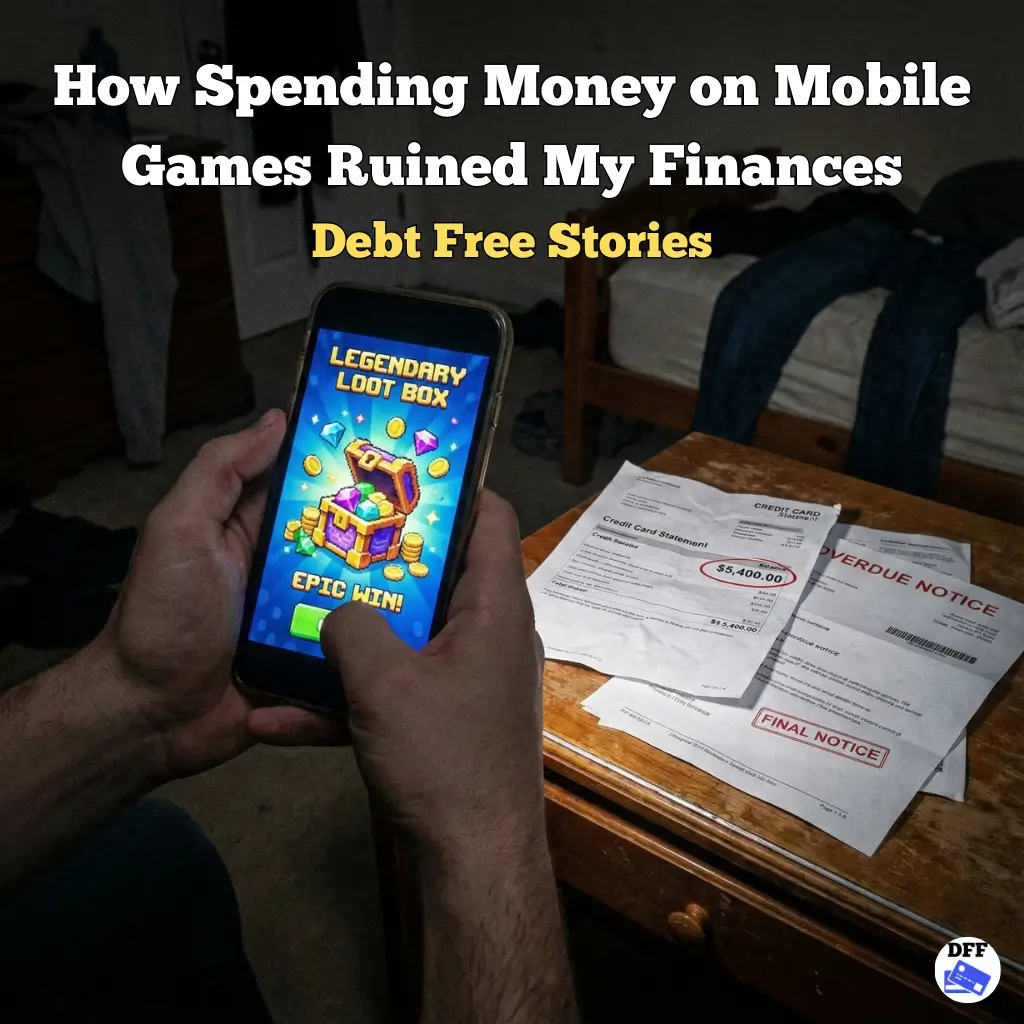
I wasn’t just playing a game anymore; I was chasing a chemical high. If you look closely, opening a “Legendary Loot Box” is designed exactly like a slot machine in Vegas. The spinning animation, the escalating music, the explosion of gold light when you finally pull an S-Tier item—it all hit my brain like a drug.
Every time I clicked that button, I got a rush of dopamine that masked my anxiety. For a few minutes, I felt rich and powerful in this virtual world. I was a top-ranking commander with the best gear, even though in the real world, I was broke, tired, and falling behind on my bills.
That’s when the shame kicked in, and I started hiding the purchases. I became a master of cover-ups. I switched my payment method to a credit card I knew my partner rarely checked. I even set up my phone to automatically delete the email receipts from the App Store so a notification wouldn’t pop up while we were watching Netflix together.
I bargained with myself constantly: “Okay, I need to buy this because it’s the Anniversary Event. I’ll stop as soon as this event is over.” But the developers are smart; there is always another event. I never stopped.
The core problem with spending money on mobile games is that it never feels like “real” money. It feels like pressing a button. It’s completely frictionless. You don’t count out bills; you just double-click your side button, wait for the FaceID to scan, and hear a satisfying ding caused by the payment. You aren’t spending “twenty dollars”; you are exchanging it for “2,000 Gems.” They abstract the money away so you don’t feel the pain of spending it—until the credit card statement arrives.
The Reality Check
The crash happened when I tried to buy groceries and my card was declined (a story I detailed in my previous post about my maxed-out credit card).
I went home and finally looked at my statements. I started adding up all those $4.99 and $9.99 charges to Apple and Google Play.
The total made me physically sick: $3,145 in eighteen months.
That was a used car. That was a Europe trip. That was six months of rent. And I had traded it all for virtual swords and characters that don’t even exist.
Conclusion
If you find yourself secretly spending money on mobile games, please stop and look at the numbers. These “free” games are designed to manipulate you into opening your wallet. They prey on FOMO (Fear Of Missing Out) and your need for instant gratification.
I deleted the game off my phone that day. It was painful, and I went through genuine withdrawal symptoms for a week. But deleting that app was the only way to stop the bleeding.
Don’t let pixels ruin your real life.



[…] felt like magic. It triggered the exact same dopamine hit as the [spending addiction loops] I’ve written about before. I saw $150, so I spent […]