


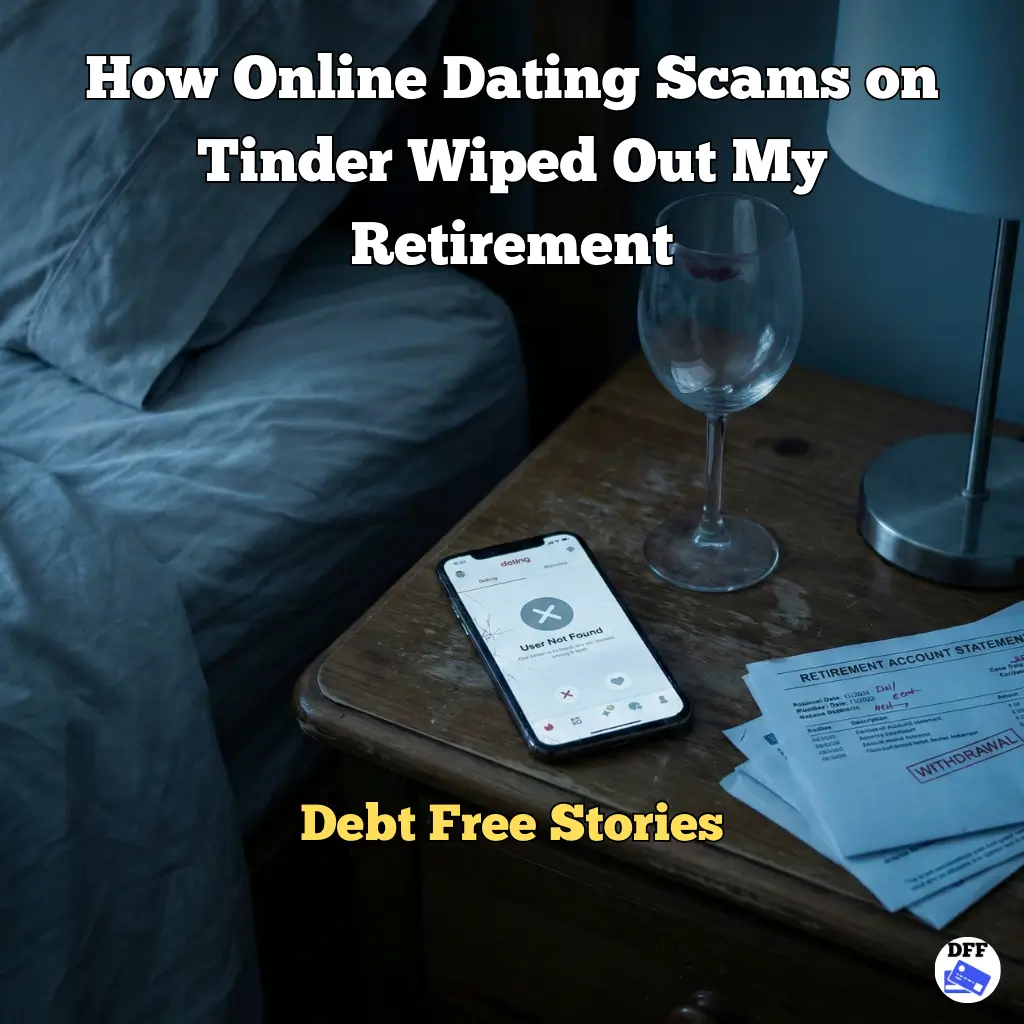

At 58 years old, you start to feel invisible. I had been divorced for a decade, my kids were grown, and my evenings were mostly spent with a glass of wine and a book. My friends convinced me to download Tinder just for fun. They said, “Live a little, Martha. Just see what’s out there.”
So I did. I matched with Liam on a Tuesday. He was 38, handsome, and claimed to be an international architect working on a massive project in Dubai. I almost didn’t swipe right; I thought he was way too young for me. But he messaged me immediately. He told me he was tired of women his age playing games and that he wanted someone “sophisticated, established, and real.”
For the first time in years, I didn’t feel like a grandmother or an ex-wife. I felt like a woman. He made me feel seen, beautiful, and desirable. I ignored the tiny voice in my head warning me that it was too good to be true. I didn’t know it then, but I was walking straight into one of the most common online dating scams.
The Perfect Gentleman
He groomed me perfectly. We talked for hours every day. He sent me flowers to my office. He remembered the names of my dogs. He sent me voice notes with his charming accent, telling me he couldn’t wait to fly back to the States to meet me. He bragged about his success, sending me photos of luxury hotels and construction sites. He made me believe that this young, successful man had genuinely fallen for me.
The “Frozen Account” Crisis
The trap snapped shut six weeks later. He called me in a panic, sounding breathless. There was a problem with the structural steel order for his project in Dubai. His bank accounts had been temporarily frozen due to a “security flag” because he was logging in from a foreign country. He needed to pay the supplier immediately, or the project would collapse, and he would lose millions.
He asked me for $25,000. He sounded so embarrassed to ask. He promised he would wire it back the second his accounts were unlocked on Monday.
I hesitated. That was a huge chunk of my liquid savings. But then he dropped the emotional hook: “I thought you were the one person who believed in me. I thought we were partners.” The fear of losing him—of going back to being invisible—was stronger than my financial logic. I went to the bank. The teller asked me questions, but I lied, just like the victims in most online dating scams do. I said it was for a family emergency. I wired the money.
The Second Ask
Monday came, and the silence from my bank app was deafening. The money didn’t return. Instead, my phone rang with a new, more terrified crisis. Liam sounded on the verge of tears. He told me the wire transfer had been flagged by international customs and they needed a specific “clearance fee” to release the funds. Two days later, it was his lawyer needing an immediate retainer to keep him out of jail for false “money laundering” accusations due to the frozen accounts.
This is exactly how online dating scams destroy you psychologically. It’s not just about being gullible; it’s about the sunk cost. You find yourself thinking, ‘I’ve already sent $25,000. If I don’t send this extra money, I lose the first investment forever.’ You are already in the hole, so you keep digging, desperate to fix the first mistake.
I made the call I swore I never would—I tapped into my 401(k). I took the massive tax penalty and the early withdrawal hit. I remember signing the papers with shaking hands, telling myself a fairy tale to stop the nausea: ‘It’s just a loan to myself. Once he is here, he will pay me back double, and we will laugh about this stress while drinking coffee in our new house.’ I sent another $40,000. I wasn’t just spending money; I was bleeding my future dry to keep a fantasy alive.
The Ghosting
The end was swift and brutal. I had just transferred the last of my available credit line—another $10,000—when the messages stopped. “Liam?” I texted. Delivered. No read receipt.
I checked his profile, but it had vanished completely. Frantic, I dialed his number, only to hear a cold disconnection tone. I collapsed onto my sofa, the silence of the house feeling heavier than ever before. The harsh truth finally hit me: the architect didn’t exist. That massive project in Dubai was a complete fabrication. In the end, it was just me—a 58-year-old woman who had let a stranger steal her golden years simply because she was flattered by the attention of a younger man.
Conclusion
I am now working as a cashier at a grocery store because I can’t afford to retire anymore. My nest egg is gone.
If you are an older woman on these apps, please be careful. If a younger, handsome stranger tells you everything you want to hear, guard your heart. And if he asks for money—no matter the reason, no matter how much you love him—block him. Don’t let online dating scams turn your retirement dreams into a nightmare.
Scammers don’t just target women. Men fall for these lies too. Read the heartbreaking confession of a man who lost $40,000 in a similar catfishing story to see how universal this trap really is.


[…] crypto; romance scammers are everywhere. If this story resonated with you, you should also read how online dating scams on Tinder wiped out another victim’s retirement […]
[…] a tactic used across many platforms. Read how another victim’s retirement was wiped out by online dating scams on Tinder to learn how to spot these manipulators before they drain your […]