


For generations, my family whispered about “The Curse” whenever money came up at the dinner table. It wasn’t a ghost story but a harsh financial reality that seemed to haunt us. My grandfather built a successful hardware store in the 70s only to lose it all in a single bad year. My father worked two jobs to build a contracting business, but just as he started making real money, a series of “unlucky” accidents drained his accounts back to zero.
Growing up, I internalized a dangerous lesson that wealth was temporary and dangerous. I truly believed that breaking the cycle of poverty was impossible for people like us because whenever we got ahead, something bad would inevitably happen to drag us back down.
When I started my own graphic design agency, the pattern repeated itself with terrifying precision. We would have a record-breaking month of income, and immediately, the car would break down or the roof would leak. Subconsciously, I would stop marketing or overspend until the money ran out. It felt inevitable. We started to believe that our DNA was simply allergic to wealth and we were stuck in a loop of earning money only to panic and find ways to lose it.
Identifying the Trauma
The turning point didn’t come from a financial advisor or a bank loan; it came from a casual cup of coffee with my mentor. I remember sitting across from him, venting about my latest string of “bad luck”—how my car transmission blew just two days after my biggest client invoice cleared. I expected him to offer sympathy. Instead, he stopped me cold.
He leaned in and told me about a couple he knew years ago, close friends of his who were brilliant entrepreneurs. “They made millions in real estate,” he told me, “but they lost it all three separate times. It wasn’t the market, and it wasn’t bad luck. They were simply uncomfortable with success.”
He explained that, just like his friends, my family had a “financial thermostat” set to struggle. Just like an air conditioner kicks on to cool a room down when it gets too hot, whenever our bank account got “too hot” with extra money, our subconscious kicked in to cool it down. We would unconsciously spend, lend, or make mistakes just to get back to our comfort zone of survival.
That story hit me like a ton of bricks. We weren’t cursed. We realized that countless people go through this exact same situation; we simply weren’t prepared for success. We finally understood that our family didn’t lack the ability to make money; we lacked the emotional capacity to keep it.
The Strategy That Changed Everything
To finally succeed at breaking the cycle of poverty, we had to build what we called a “Circuit Breaker.” It wasn’t magic; it was a boring, mechanical strategy to protect us from ourselves.
First, we automated our savings so we never saw the money to begin with. If the money hit our checking account, we would find a “problem” to solve with it. So, we routed 20% of every client check directly into a separate, hard-to-access savings account at a different bank.
Second, we redefined what an emergency was. In the past, a blown tire was a crisis that derailed our whole month. We built a robust $5,000 Emergency Fund and labeled it “The Curse Killer.” When the inevitable “bad luck” happened, we didn’t panic. We just wrote a check.
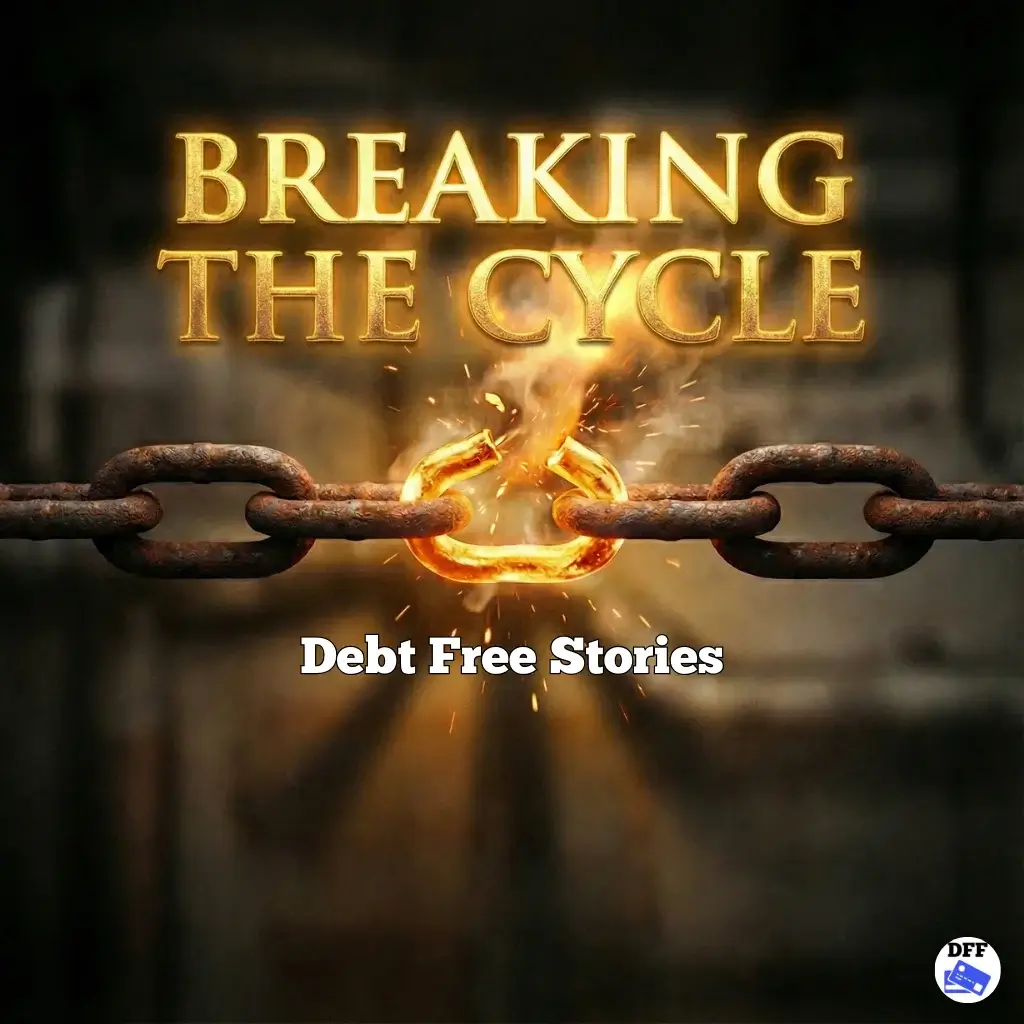
It took three years to rewire our brains, but last month, we hit our highest revenue ever, and nothing bad happened. The roof didn’t leak. The car didn’t die. The curse is broken. We proved that poverty is a cycle, but it is not a destiny.
Self-sabotage often disguises itself as success. Before we broke the cycle, we made huge mistakes trying to look successful to others, including trapping ourselves in a massive mortgage. [Read: Why I Regret Buying a House] to see how chasing the American Dream almost broke us.