


It started with a Facebook message from a girl I hadn’t spoken to since high school. “Hey girl! You look so great. I saw you’re working hard, and I thought you’d be perfect for my team. Do you want to be your own boss?”
I should have deleted it. But I was tired of my 9-to-5 job, tired of asking for time off, and tired of living paycheck to paycheck. The idea of “financial freedom” and working from my phone while sitting on the beach sounded like the answer to my prayers. I didn’t know I was replying to a script. I didn’t know I was about to become the main character in one of those tragic MLM horror stories you read about on Reddit.
The “Business Owner” Illusion
We agreed to meet for coffee a few days later to catch up properly. We sat there for two hours, laughing about high school memories, remembering old teachers, and eating ice cream like we were teenagers again. It felt so genuine, and for the first time in a long time, I didn’t feel lonely. I let my guard down completely. That was when she leaned in, lowered her voice, and told me she wanted to share the secret to her new happiness with me.
The buy-in was small, only $99 for the “Starter Kit.” That is how they get you—they mix nostalgia with opportunity. It felt like a low-risk investment in a brighter future. But once I handed over my credit card, the dynamic changed instantly. The friendly support turned into pressure. My “upline” (my friend turned manager) told me that to be truly successful, I couldn’t just sell from a catalog; I needed to be a “product of the product.” She convinced me that I needed inventory on hand to show people immediately.
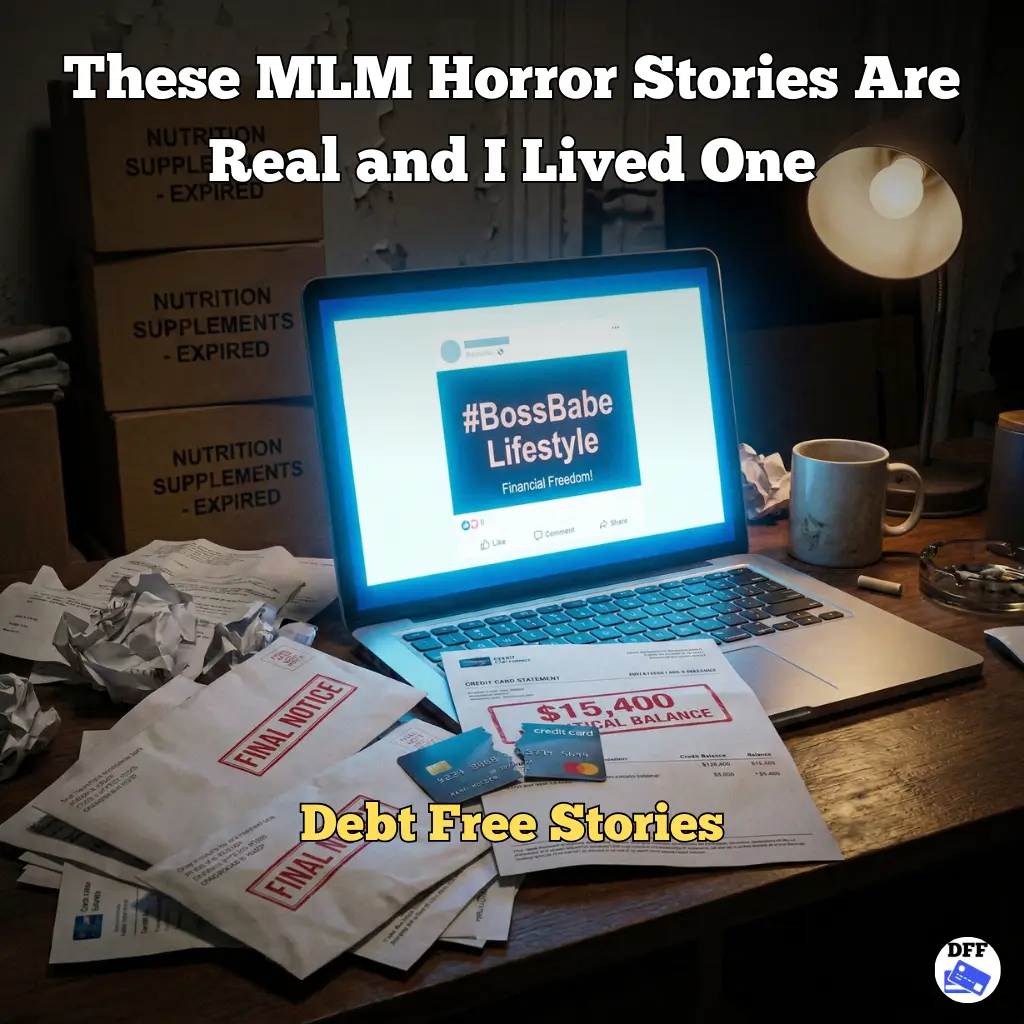
I spent $500 on my first order of shakes and supplements without blinking. I felt proud. I posted a photo on Instagram with the hashtag #BossBabe. I told myself I wasn’t an employee anymore; I was a CEO building an empire. Or so I thought. In reality, I wasn’t a business owner; I was just the company’s best customer.
Alienating Everyone I Loved
The financial cost was bad, but the social cost was devastating. We were explicitly taught by our leaders to monetize our relationships. We were told to make a list of everyone we knew—our “warm market”—and view them not as loved ones, but as prospects. Every coffee date with a friend wasn’t just a hang-out; it was a calculated ambush. I became the person everyone avoided, the one who turned every casual conversation into a sales pitch.
The lowest point came when I invited my best friend of ten years over for dinner. I told her I missed her and just wanted to catch up. I cooked her favorite meal, poured the wine, and waited for the perfect opening. Halfway through the meal, just as we were laughing about an old inside joke, I killed the mood instantly. I pulled out my laptop and launched into a rehearsed presentation about the “business opportunity.”
The air completely left the room. The look in her eyes still haunts me to this day. It wasn’t anger; it was pure, heartbreaking pity. She quietly put her fork down and said, “I just wanted to see you, not buy something from you.” She left twenty minutes later, making a polite excuse about an early morning. She stopped texting me back after that night. I realized too late that I was sacrificing real, flesh-and-blood relationships for fake internet points and a meaningless rank on a digital leaderboard.
The “Garage Qualified” Trap
This is the dirty secret of most MLM horror stories. To keep your “rank” and get your small commission check, you have to hit a sales quota every month. If you don’t sell enough to strangers, the pressure from your team is intense. “You don’t want to lose your status, do you? Just buy the difference yourself and sell it later!”
They call it being “Garage Qualified.” You buy the product yourself to qualify for the commission, and the boxes pile up in your garage. I was spending $400 a month on products nobody wanted just to earn a $75 commission check. I was losing money every single month, but I was too brainwashed to see it. I thought I was just “investing in my business.”
The Collapse
The brutal wake-up call came on a Tuesday afternoon. My credit card was declined at the grocery store while I was trying to buy milk and cereal for my kids. The cashier looked at me with pity, and I had to pretend I had forgotten to unlock the card in the app, but I knew the truth. I went home, sat on the floor, and looked at my finances honestly for the first time in a year. The reality was suffocating: I had $15,000 in credit card debt, a spare room filled with expiring supplements that I couldn’t sell, and I had lost two of my closest friends.
To dig myself out of that hole without my children noticing that mom had messed up, I had to do whatever it took. I went from playing “CEO” on Instagram to working two grueling jobs just to survive. I worked as an administrative assistant during the day, and the moment I clocked out, I drove to a warehouse to work the night shift packing boxes until 2:00 AM. I barely slept for eighteen months. I missed bedtime stories and school plays just to catch up on the payments.
Exhausted and humbled, I finally admitted the truth to myself: I wasn’t an entrepreneur. I was a victim of a predatory system designed to funnel money to the top 1% while people like me destroyed their lives trying to keep up.
Conclusion
Getting out was harder than getting in. My “team,” who claimed to love me, blocked me the moment I said I was quitting. If someone approaches you with a “business opportunity” that requires you to pay to work, run away. Real jobs pay you; they don’t ask for your credit card. Don’t let your desire for freedom trap you in debt or turn your life into one of those tragic MLM horror stories.
Have you ever been approached by an MLM? Did you join? Share your experience below.
Chasing ‘easy money’ is the fastest way to go broke. It happened to me with this business, and it happened when I tried to beat the casino. Read my confession on how to get out of gambling debt to see the pattern.”