


If you had told me a year ago that a single “wrong number” text message would bankrupt me, I would have laughed. I consider myself a smart person. I have a degree, a stable job, and I’ve always been careful with my money. But that’s the terrifying reality of the pig butchering crypto scam. It doesn’t target your greed; it targets your trust, your loneliness, and your hope for a better future.
This is the story of how I lost $85,000 to a fake crypto guru, and the painful lessons I learned along the way.
The Innocent Beginning: A Simple “Wrong Number”
It started on a Tuesday evening. My phone buzzed with a message on WhatsApp: “Hi John, are we still on for golf this weekend?” I politely replied, “Sorry, you have the wrong number.” Normally, that’s where the conversation ends. But the person on the other side, who introduced herself as “Elena,” was incredibly polite. She apologized profusely, blamed her new phone, and casually kept the conversation going. We started chatting about our cities, our jobs, and our hobbies. Over the next few weeks, she became a daily presence in my life. She was friendly, successful, and seemed genuinely interested in my day-to-day routine.
The Trap: The Illusion of Wealth
About a month into our daily chats, Elena subtly shifted the conversation. She casually mentioned how she was making significant passive income through a specialized crypto trading platform guided by her “uncle,” a supposed financial analyst.
I was skeptical at first. But then she showed me screenshots of her returns. She wasn’t asking me for money; she was offering to “teach me” how to do it myself.
She walked me through downloading a legitimate crypto wallet, which made me feel safe. Then, she instructed me to transfer a small amount, just $500, to a specific trading platform she linked me to. The website looked flawless. Within a week, my $500 had grown to $650. She even encouraged me to withdraw my initial deposit to prove it was real. I did, and the money hit my bank account instantly.
That was the bait. I was hooked.
The Nightmare: The Sunk Cost Fallacy
Convinced that this was my ticket to financial freedom, I started pouring more money in. I transferred $10,000, then $25,000. The numbers on my screen kept going up. My dashboard showed a balance of over $150,000. I felt like a genius.
Then came the day I needed to withdraw some funds for a home repair.
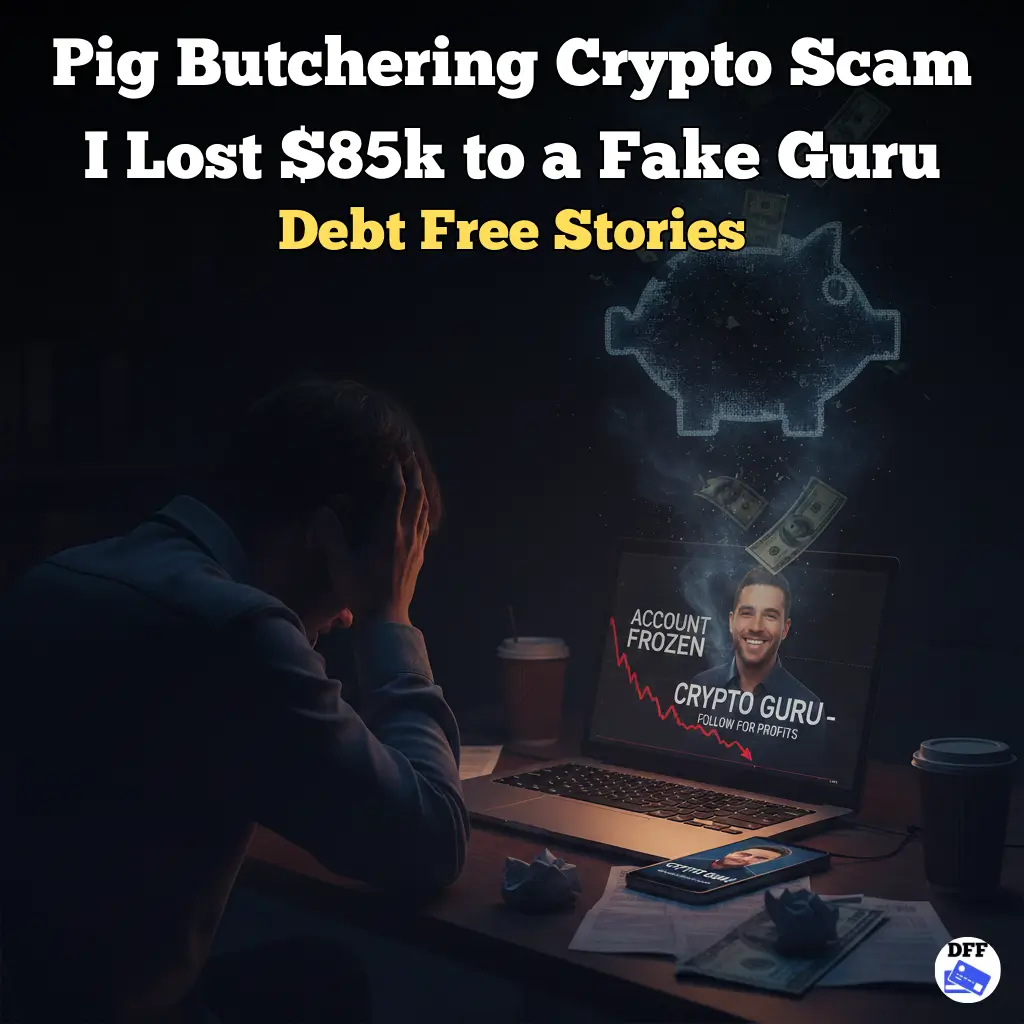
I clicked the withdrawal button, but my account was suddenly frozen. Panic set in. I contacted the platform’s “customer service.” They informed me that I needed to pay a 20% “tax” on my profits before any funds could be released.
Elena assured me this was standard procedure. Desperate to get my money back, I took out a personal loan and paid the $30,000 tax.
The next day, my account was locked again. This time, they claimed there was a “security audit fee.” That’s when my stomach dropped. The realization hit me like a freight train. The trading platform was fake. The numbers on the screen were just a simulation. Elena wasn’t a friend; she was part of an organized crime syndicate.
My entire life savings of $85,000 was gone.
The Aftermath: Rebuilding From Zero
The emotional devastation was worse than the financial loss. The shame of falling for a pig butchering crypto scam kept me isolated. I couldn’t sleep, I couldn’t eat, and I couldn’t tell my family that I had thrown away our future.
But I am writing this today because hiding in shame only protects the scammers.
I am currently working two jobs to pay off the personal loan I took out to pay those fake “taxes.” It will take years to rebuild my savings. If you are reading this, please know that these scammers are professionals. They use psychological manipulation to build trust before they ever mention money.
How to Spot a Pig Butchering Crypto Scam
If you are worried that you or a loved one might be caught in this trap, look out for these red flags:
- Unexpected Messages: Scams often start with a “wrong number” text on WhatsApp, Telegram, or SMS.
- Rapid Intimacy: The person builds a strong emotional connection very quickly.
- Crypto Conversations: They eventually steer the conversation toward cryptocurrency and exclusive trading platforms.
- Fake Platforms: The websites or apps they recommend are not mainstream exchanges like Coinbase or Binance.
- Taxes and Fees: Legitimate platforms deduct fees from your balance; they do not ask you to wire new money to pay “taxes” to release your funds.
If you have been a victim, stop all communication immediately. Do not send more money to “recover” your funds—recovery agents are often just scammers running a secondary con. Report it to the authorities and, most importantly, forgive yourself. You are not alone.
Falling for a financial scam based on emotional manipulation is heartbreaking, and it’s more common than you think. It doesn’t just happen with crypto; romance scammers are everywhere. If this story resonated with you, you should also read how online dating scams on Tinder wiped out another victim’s retirement fund.